In modern drilling and geotechnical engineering, selecting the right casing advancement method is not just a technical decision; it directly influences project safety, cost, efficiency, and long-term structural performance. Whether the project involves foundation piling, anchoring, tunnelling, or water well drilling, engineers must carefully evaluate multiple variables before finalising a casing advancement system.
For companies like Argentium, which specialise in advanced drilling and anchoring solutions, the importance of selecting the correct system cannot be overstated. A well-chosen casing advancement method ensures borehole stability, minimises risks, and optimises drilling performance across diverse ground conditions. This blog explores everything engineers must consider before choosing a casing advancement method, backed by industry insights and practical engineering principles.
A casing advancement method refers to a drilling technique where the casing is installed simultaneously as drilling progresses. Unlike traditional drilling, where casing is inserted after drilling, this method integrates both processes into one continuous operation.
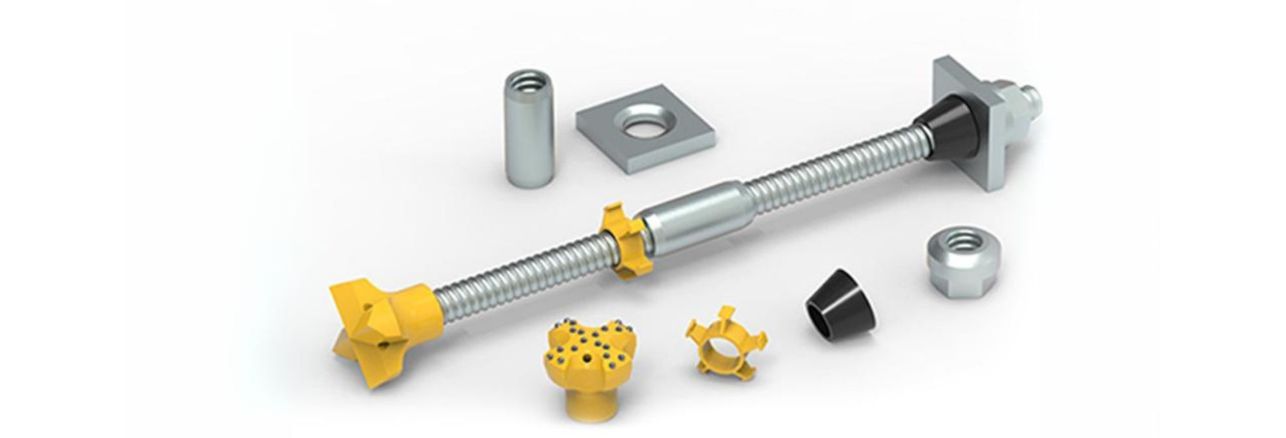
This approach is particularly useful in unstable or loose formations where borehole collapse is a major concern. By advancing the casing alongside the drill bit, engineers can maintain borehole integrity and prevent soil or rock from caving in. Modern casing advancement systems combine components such as casing pipes, drill bits, and hammers to deliver efficient and stable drilling performance.
Selecting the appropriate casing advancement method impacts:
In difficult formations such as sand, gravel, or fractured rock, an incorrect choice can lead to borehole collapse, delays, and increased operational risks.
The most critical factor in selecting a casing advancement system is understanding the subsurface conditions.
Engineers must assess:
Casing advancement systems are especially effective in loose or fractured formations where traditional drilling methods fail to maintain hole stability.
For example:
Without accurate geological data, even the most advanced casing advancement method can fail.
Different projects demand different casing advancement method strategies.
Common applications include:
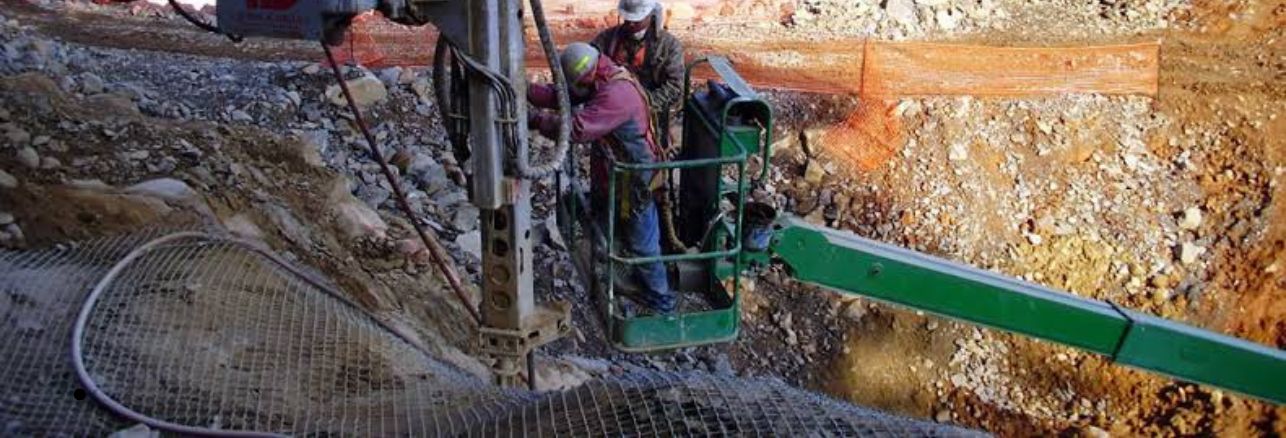
For instance, in anchoring applications, casing advancement systems help maintain open boreholes during anchor installation, especially in unstable ground. Engineers must align the casing advancement method with the specific functional requirements of the project.
The required borehole size plays a crucial role in selecting the casing advancement method.
Key considerations include:
Larger diameters and deeper holes demand more robust systems with higher torque and feed force capabilities.
Engineers must decide whether the casing will remain in place or be removed after drilling.
This decision directly influences the casing advancement method, tooling design, and overall cost structure.
Not all casing advancement method systems are compatible with every drilling technique.
The two most common methods include:
The choice depends on:
Selecting the wrong combination can reduce efficiency and increase equipment stress.
Before finalising a casing advancement method, engineers must evaluate the drilling rig’s capabilities.
Important parameters include:
Even the best casing advancement method will underperform if the rig cannot support operational demands.
The primary purpose of any casing advancement method is to ensure borehole stability.
Casing helps:
Proper casing ensures drilling safety and prevents environmental contamination.
Understanding subsurface pressure conditions is essential.
Engineers must evaluate:
Casing design and advancement must ensure that drilling operations stay within a safe pressure window to avoid blowouts or formation damage.
Time is a critical factor in any construction or drilling project.
A well-selected casing advancement method can:
Simultaneous drilling and casing installation significantly enhances efficiency compared to traditional methods.
While upfront costs are important, engineers must evaluate the total lifecycle cost of the casing advancement method.
This includes:
A slightly higher initial investment in the right casing advancement method can lead to substantial long-term savings.
Engineers typically choose from several types of casing advancement method systems:
Each casing advancement system method has specific advantages depending on the project requirements.
Even with the right casing advancement method, challenges may arise:
Improper material selection or installation can lead to casing failure, leakage, or structural instability.
To ensure optimal results, engineers should follow these best practices:
Argentium offers advanced drilling and anchoring solutions designed to meet the evolving needs of modern infrastructure projects. Our expertise in casing systems, threaded rods, and anchoring technologies ensures that engineers can select the most effective casing advancement system for our applications.
By combining engineering precision with high-quality manufacturing, Argentium helps improve drilling performance, reduce risks, and enhance project outcomes.
Choosing the right casing advancement method is a complex yet critical decision in any drilling or geotechnical project. Engineers must evaluate ground conditions, equipment capabilities, project requirements, and cost implications before making a choice.
A well-informed decision not only ensures structural stability and safety but also enhances efficiency and reduces project delays. With the right casing advancement system method, engineers can confidently tackle even the most challenging ground conditions.
A casing advancement method is a drilling technique where the casing is installed simultaneously with drilling to maintain borehole stability and prevent collapse.
Engineers should use a casing advancement method in unstable ground conditions such as loose soil, sand, gravel, or fractured rock.
Key factors include ground conditions, borehole diameter, drilling depth, equipment capability, and whether the casing is permanent or retrievable.
It improves borehole stability, increases drilling efficiency, reduces downtime, and enhances overall project safety.
Yes, casing advancement methods are widely used in anchoring projects to maintain open boreholes and ensure proper installation of anchors in unstable ground.
Temporary and Permanent Ground Anchor Slope Failure Prevention Geotechnical Drilling Solutions Tunnel Support Installation Casing Advancement Method Ground Anchoring Solutions Types Of Couplings Self Drilling Technology Trends Sustainable Rock Practices Durable Drilling Equipment Rock Bolts Stabilize Rock Slope Stabilization Mining Safety Innovations Geological Risk Management Mining Tunnel Safety Modern Underground Solutions Advanced Mining Safety Self Drilling Anchor System Supplier Ground Reinforcement Systems Advanced Drilling Solutions Mining Safety Innovations Types of Support Systems Rock Stabilization Techniques Geotechnical Engineering Mining Safety Solutions Underground Tunnel Tunneling Method Slope Stabilization Methods Uses for Threaded Rod Slope Protection Techniques What is Slope Failure Different Types of Slope Failure Applications of Soil Nailing Threaded Rod Sizes Chart Applications of Soil Nailing Casing Drilling Systems Threaded Rod Sizes Types of Rock Bolts Leading Supplier of Self Drilling Anchors Expandable Rock Bolts vs Split Set Rock Bolts Types of Rock Bolts Uses of Self Drilling Anchors Supplier of Self Drilling Anchors in India Mastering Forepoling Techniques Troubleshooting Installation Metro Tunneling Retaining Walls Tunnel Support System Tungsten Carbide Types of Tunnel Rock Bolts Tunnel Construction Tunnel Support Equipments Mastering Rock Drilling Pipe Umbrella in Tunnel Pipe Roof Installation
WhatsApp us