Ground collapse during deep excavation projects poses a significant risk to mining operations, endangering workers, equipment, and infrastructure. Ensuring safety in these environments requires implementing effective mining safety solutions that target ground stability and hazard mitigation.
Let’s explore the most advanced and proven strategies that one can adopt to prevent ground collapse, safeguard personnel, and ensure smooth excavation processes.
Ground collapse, or soil nailing technique or rock failure, can result in catastrophic accidents with severe consequences. Properly managing ground stability during deep excavations is crucial to prevent such failures and maintain a secure work environment. Proactive safety measures, latest technology, and continuous monitoring significantly reduce the risk of collapse.
Argentium, a leader in mining safety solutions, provides various support mechanisms and instrumentation systems to continuously monitor and reinforce ground stability during excavation. This highlights the importance of integrating advanced safety systems into every project.
Ground stability is best managed with real-time data. Tools like slope inclinometer systems, convergence meters, and viscosity sensors are critical for understanding the behavior of excavated ground sections. Argentium offers comprehensive instrumentation solutions that provide near real-time data, enabling immediate interventions if ground movement is detected.
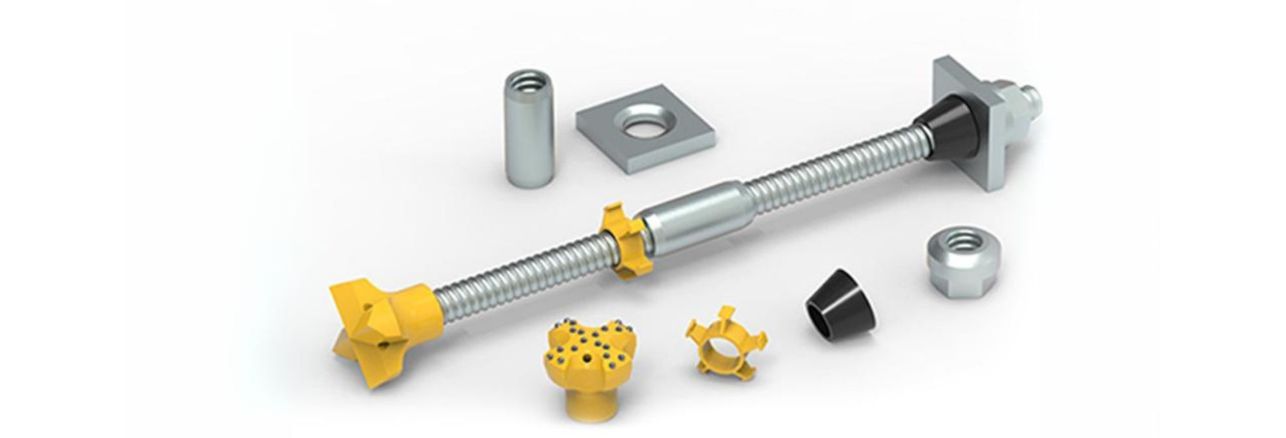
An essential part of mining safety solutions involves the use of physical support systems. This includes:
Proper soil classification and testing are vital before excavation. Slope stabilization can be enhanced through methods such as controlled sloping, benched cuts, and reinforcing weak zones with chemical resins or geo-mats, aligning with mining safety solutions protocols.
Predictive analytics powered by AI and machine learning utilize geological and operational data to forecast potential collapse zones. These technologies can analyze historical soil failure patterns and seismic activity, helping preempt ground collapse and enabling preemptive protective measures.
Water accumulation weakens ground integrity. Implementing dewatering systems and drainage solutions is vital to reduce pore water pressure, enhance ground stability, and stay compliant with mining safety solutions standards.
Regulatory Compliance and Safety Culture
Compliance with safety standards, including regulations set by bodies like MSHA (Mine Safety and Health Administration), ensures that all protective measures are adhered to. Regular inspections, proper training, and risk assessment are integral to a mining safety solutions framework that promotes best practices in deep excavation safety.
Workers trained in hazard recognition, soil testing, and emergency procedures form a vital part of the safety ecosystem. Regular drills and educating workers about protective systems like sloping, shoring, and shielding reinforce a proactive safety culture.
Implementing sensors and detection systems for ground movement, gas leaks, and water levels allows for timely interventions. Clear evacuation plans and emergency response drills ensure preparedness, minimizing injury risks in case of unexpected ground failure.
Preventing ground collapse in deep excavation projects requires a multi-layered approach. Mining safety solutions such as real-time geotechnical instrumentation, structural supports, soil stabilization practices, predictive analytics, and water management are essential for maintaining ground stability. Incorporating these solutions with strong regulatory compliance and a safety-first culture can vastly reduce the risks associated with ground failure, safeguarding lives and assets.
Argentium’s innovative safety instrumentation and system integrations exemplify how modernization can enhance safety and efficiency in deep excavation projects. Adopting these top mining safety solutions is not only a regulatory requirement but also an ethical imperative to protect every crew member on-site.
The most effective solutions include geotechnical monitoring, structural shoring, trench shielding, soil stabilization, and water management systems.
Real-time monitoring detects ground movements early, allowing immediate corrective actions to prevent collapse, thus enhancing safety.
Soil testing classifies soil types and properties, guiding appropriate support and stabilization methods for safe excavation.
Yes, regulations like MSHA mandate inspections, support systems, and safety protocols to mitigate the risk of ground failure
AI systems analyze geological data to predict potential ground failures, enabling preemptive safety measures and reducing collapse risks.

WhatsApp us