Underground construction projects, whether tunnels, basements, metro systems, or mining operations, are among the most complex engineering undertakings. They operate in unpredictable environments where soil behaviour, groundwater pressure, and structural loads interact constantly. In such conditions, ground anchoring solutions are not optional; they are fundamental to structural stability, safety, and long-term performance.
Yet, many underground projects fail or face costly delays due to inadequate or poorly implemented ground anchoring solutions. From structural instability to catastrophic collapses, the absence of proper anchoring can trigger a chain reaction of failures that jeopardise both the project and human safety. This blog explores why underground projects fail without proper ground anchoring solutions, the critical role these systems play, and how companies like Argentium provide reliable anchoring systems designed for demanding geotechnical applications.
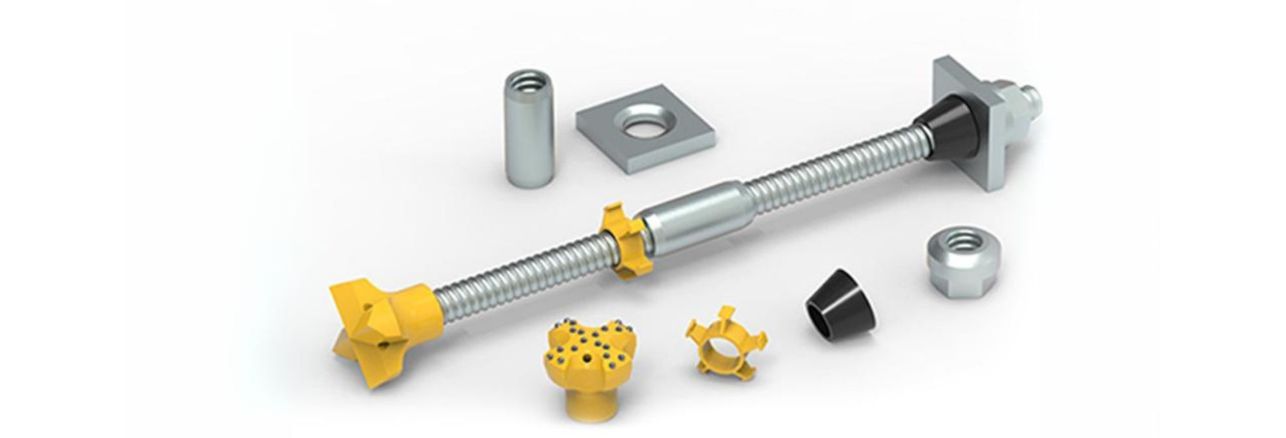
Ground anchoring solutions are engineered systems that transfer loads from a structure into stable soil or rock layers. These systems typically consist of anchor bars, grout, anchor heads, and protective components that work together to resist tension and shear forces.
In underground construction, ground anchoring solutions are widely used for:
Their primary purpose is to ensure that forces acting on a structure are safely distributed into the surrounding ground, maintaining equilibrium and preventing failure.
One of the most important functions of ground anchoring solutions is to stabilise underground structures against lateral and vertical forces. Without proper anchoring, soil pressure can cause walls to shift, tilt, or collapse.
Anchors effectively transfer tensile forces into the ground, ensuring that structures remain securely in place even under heavy loads.
Underground excavation disturbs the natural equilibrium of soil and rock. Without ground anchoring solutions, this disturbance can lead to:
Ground anchors help control these movements, minimising risks to nearby buildings and infrastructure.
Ground anchoring solutions distribute loads evenly across the soil or rock mass. Without them, stress concentrations can develop, leading to localised failures and structural damage.
Improper load distribution is one of the leading causes of foundation cracks and instability.
Urban construction sites often involve weak soils, high groundwater levels, or mixed geological conditions. Ground anchoring solutions are designed to adapt to these challenges, providing reliable support even in difficult environments.
The most immediate consequence of inadequate ground anchoring solutions is structural instability. Without proper anchoring, underground structures lack the necessary support to resist external forces.
This can result in:
Even minor anchoring errors can escalate into major failures, especially in large-scale projects.
Underground projects rely heavily on the interaction between soil and structure. Without effective ground anchoring solutions, this interaction becomes unpredictable.
Soil may shift or fail under stress, particularly in loose or water-saturated conditions. In such cases, anchors play a crucial role in reinforcing the surrounding ground and preventing shear failure.
One of the most common reasons for failure is the absence of proper geotechnical analysis before implementing ground anchoring solutions.
Key mistakes include:
Skipping site investigation can lead to inappropriate anchoring systems, increasing the risk of failure.
Even the best-designed ground anchoring solutions can fail if not installed correctly. Common installation issues include:
Poor grout quality, for instance, can create voids that weaken the bond between the anchor and soil, leading to failure under load.
Underground environments are often harsh, with moisture, chemicals, and varying temperatures affecting materials over time.
If ground anchoring solutions lack proper corrosion protection, they can deteriorate, reducing their load-bearing capacity and leading to long-term failure.
Water is one of the biggest challenges in underground construction. High groundwater levels can:
Ground anchoring solutions must be designed to withstand such conditions. Failure to account for water-related factors can compromise the entire system.
Ground anchors can fail in several ways, including:
These failure modes are often linked to poor design, installation, or maintenance of ground anchoring solutions.
Another overlooked factor is the absence of proper testing and monitoring of ground anchoring solutions.
Without regular inspection:
Testing ensures that anchors perform as intended throughout the project lifecycle.
Ground anchoring systems often have limited redundancy. This means that failure of a single anchor can trigger a chain reaction, leading to progressive structural failure.
This makes it essential to design robust and reliable ground anchoring solutions with adequate safety margins.
Failure to implement proper ground anchoring solutions can result in:
In extreme cases, entire structures may need to be rebuilt, leading to massive financial losses.
For underground construction projects, choosing the right partner is as important as selecting the right technology. Argentium offers advanced ground anchoring solutions tailored to challenging geotechnical engineering conditions.
Our product range, such as self-drilling anchor systems, threaded rods, and casing systems, is designed to:
Argentium’s solutions are particularly effective in applications like tunnelling, mining, slope stabilisation, and foundation reinforcement, where reliable anchoring is critical.
To avoid project failures, it is essential to follow best practices when implementing ground anchoring solutions:
Understanding soil and rock conditions is crucial for selecting the right anchoring system.
Different projects require different ground anchoring solutions, depending on load requirements and environmental conditions.
Follow standardised procedures for drilling, grouting, and tensioning.
Durable materials enhance the longevity and reliability of anchors.
Regular testing and inspection help detect potential issues early.
With increasing urbanisation and infrastructure development, the demand for advanced ground anchoring solutions is growing rapidly.
Modern innovations focus on:
These advancements are helping engineers build safer and more resilient underground structures.
Underground projects operate in some of the most challenging environments in construction. Without proper ground anchoring solutions, these projects are highly vulnerable to instability, failure, and costly setbacks. From ensuring structural stability to controlling ground movement and enhancing safety, ground anchoring solutions play a critical role in the success of underground construction.
By investing in high-quality systems and following best practices, developers can mitigate risks, improve efficiency, and ensure long-term durability. Companies like Argentium continue to lead the way by providing reliable and innovative anchoring technologies that meet the demands of modern infrastructure projects.
Ground anchoring solutions are used to stabilise structures by transferring loads into soil or rock. They are commonly used in tunnels, retaining walls, foundations, and underground construction projects.
Without proper ground anchoring solutions, structures can experience instability, soil movement, uneven load distribution, and even collapse due to a lack of support.
Common causes include poor installation, incorrect design, corrosion, inadequate grouting, and lack of proper testing or monitoring.
They prevent structural movement, reduce the risk of collapse, and ensure stability in challenging geological conditions, protecting both workers and infrastructure.
Industries such as construction, mining, tunnelling, infrastructure development, and energy projects rely heavily on ground anchoring solutions for stability and safety.
Temporary and Permanent Ground Anchor Slope Failure Prevention Geotechnical Drilling Solutions Tunnel Support Installation Casing Advancement Method Ground Anchoring Solutions Types Of Couplings Self Drilling Technology Trends Sustainable Rock Practices Durable Drilling Equipment Rock Bolts Stabilize Rock Slope Stabilization Mining Safety Innovations Geological Risk Management Mining Tunnel Safety Modern Underground Solutions Advanced Mining Safety Self Drilling Anchor System Supplier Ground Reinforcement Systems Advanced Drilling Solutions Mining Safety Innovations Types of Support Systems Rock Stabilization Techniques Geotechnical Engineering Mining Safety Solutions Underground Tunnel Tunneling Method Slope Stabilization Methods Uses for Threaded Rod Slope Protection Techniques What is Slope Failure Different Types of Slope Failure Applications of Soil Nailing Threaded Rod Sizes Chart Applications of Soil Nailing Casing Drilling Systems Threaded Rod Sizes Types of Rock Bolts Leading Supplier of Self Drilling Anchors Expandable Rock Bolts vs Split Set Rock Bolts Types of Rock Bolts Uses of Self Drilling Anchors Supplier of Self Drilling Anchors in India Mastering Forepoling Techniques Troubleshooting Installation Metro Tunneling Retaining Walls Tunnel Support System Tungsten Carbide Types of Tunnel Rock Bolts Tunnel Construction Tunnel Support Equipments Mastering Rock Drilling Pipe Umbrella in Tunnel Pipe Roof Installation
WhatsApp us