Ground anchors are a cornerstone of modern geotechnical engineering, playing a critical role in stabilizing structures, retaining walls, slopes, and deep excavations. Whether supporting a high-rise basement or reinforcing a hillside, these systems transfer tensile loads safely into the surrounding soil or rock, ensuring long-term structural integrity.
However, not all anchors are designed for the same purpose. Engineers must carefully distinguish between temporary and permanent systems to ensure safety, cost-efficiency, and durability. Understanding the difference is not just a technical requirement, it is a decisive factor in project success.
This blog explores the key differences between these two systems, their applications, design considerations, and how companies like Argentium deliver reliable anchoring solutions for diverse infrastructure needs.
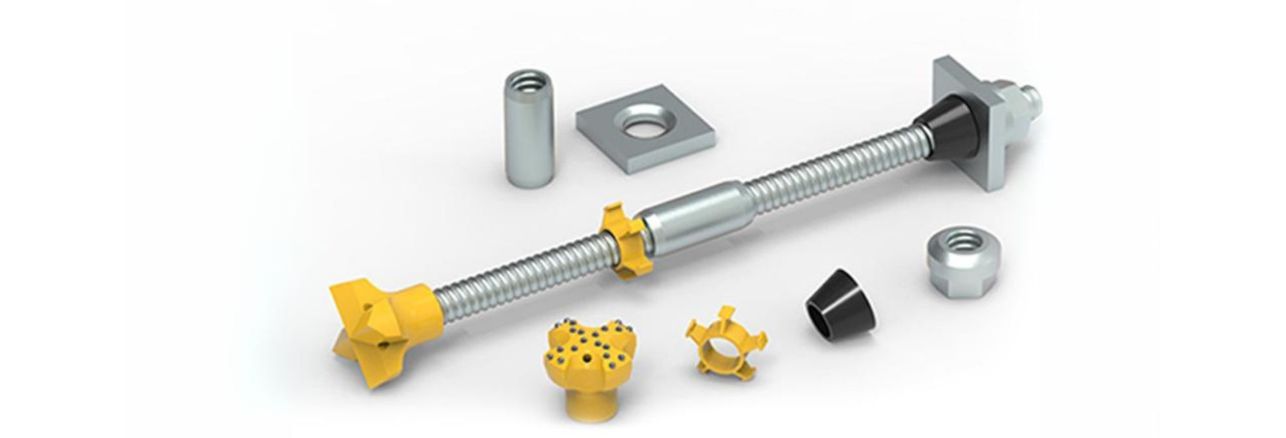
A ground anchor is essentially a load-transfer mechanism composed of an anchor head, free length, bonded length, and steel tendon (such as threaded bars or strands), all protected against environmental conditions.
These systems are widely used in:
Ground anchors can be broadly classified based on their intended lifespan:
The distinction between the two lies primarily in design life, durability, and performance expectations.
Temporary ground anchors are designed to provide support for a limited period, typically during construction phases. In most cases, their service life is less than two years.
Temporary anchors are essential in ensuring safety during transitional phases of construction, especially in urban environments where excavation stability is critical.
A ground anchor is designed to remain in place for the entire lifespan of a structure, often exceeding 50 to 100 years.
In such cases, a permanent ground anchor ensures structural reliability over decades, making it indispensable for critical infrastructure.
Understanding the contrast between these systems helps engineers select the right solution for specific project requirements.
The most fundamental difference lies in lifespan:
A permanent ground anchor is intended to function reliably for decades, whereas temporary anchors are removed once their role is complete.
Corrosion is one of the biggest threats to anchor performance.
This difference significantly impacts durability and maintenance requirements.
Temporary anchors are designed with lower safety factors since they operate for a limited duration.
In contrast, a permanent ground anchor must:
This requires higher safety margins and more robust materials.
Temporary anchors:
Permanent systems:
A permanent ground anchor must meet strict engineering standards to ensure long-term reliability.
Temporary anchors:
Permanent systems:
This makes a permanent ground anchor a more sophisticated and lifecycle-focused solution.
While temporary anchors have lower upfront costs, they are not suitable for long-term applications.
A permanent ground anchor:
Choosing between the two depends on project duration and performance expectations.
Ground anchors are critical in ensuring structural safety and efficiency across multiple sectors. Their ability to transfer tensile forces into stable strata makes them indispensable for:
With increasing urbanization and complex ground conditions, the demand for reliable anchoring systems continues to grow.
Argentium specializes in high-performance ground engineering components such as threaded bars, anchoring systems, and drilling solutions tailored for demanding geotechnical applications.
Our systems are designed to meet both temporary and permanent requirements, ensuring:
For projects requiring a permanent ground anchor, Argentium’s focus on quality materials and advanced manufacturing ensures reliability and compliance with international standards.
Selecting between temporary and permanent systems depends on several factors:
Short-term construction: Temporary
Long-term infrastructure: Permanent ground anchor
Lower loads: Temporary
High, sustained loads: Permanent ground anchor
Mild exposure: Temporary
Aggressive environments: permanent ground anchor
Lower upfront cost: Temporary
Long-term value: permanent ground anchor
Engineers must carefully evaluate these factors during the design phase to ensure optimal performance.
The difference between temporary and permanent ground anchor systems goes far beyond lifespan. It encompasses design philosophy, material selection, installation complexity, and long-term performance. Temporary anchors provide essential support during construction, offering flexibility and cost efficiency. In contrast, a permanent ground anchor serves as a critical structural component, ensuring stability and safety over decades.
For infrastructure projects where durability and reliability are non-negotiable, choosing the right anchoring system is vital. With advanced solutions from companies like Argentium, engineers can confidently design systems that meet both immediate and long-term demands.
The primary difference lies in design life. Temporary anchors are used for short-term applications (usually under two years), while a permanent ground anchor is designed to last for the entire lifespan of a structure.
In some cases, temporary anchors can be removed and reused, but this depends on site conditions and design. Most are designed for single-use applications.
A permanent ground anchor is exposed to environmental conditions for decades, so advanced corrosion protection is essential to maintain strength and durability.
They are widely used in bridges, retaining walls, dams, tunnels, and long-term slope stabilization projects.
Yes, a permanent ground anchor has higher upfront costs due to enhanced materials and protection systems, but it offers better long-term value and reliability.
Temporary and Permanent Ground Anchor Slope Failure Prevention Geotechnical Drilling Solutions Tunnel Support Installation Casing Advancement Method Ground Anchoring Solutions Types Of Couplings Self Drilling Technology Trends Sustainable Rock Practices Durable Drilling Equipment Rock Bolts Stabilize Rock Slope Stabilization Mining Safety Innovations Geological Risk Management Mining Tunnel Safety Modern Underground Solutions Advanced Mining Safety Self Drilling Anchor System Supplier Ground Reinforcement Systems Advanced Drilling Solutions Mining Safety Innovations Types of Support Systems Rock Stabilization Techniques Geotechnical Engineering Mining Safety Solutions Underground Tunnel Tunneling Method Slope Stabilization Methods Uses for Threaded Rod Slope Protection Techniques What is Slope Failure Different Types of Slope Failure Applications of Soil Nailing Threaded Rod Sizes Chart Applications of Soil Nailing Casing Drilling Systems Threaded Rod Sizes Types of Rock Bolts Leading Supplier of Self Drilling Anchors Expandable Rock Bolts vs Split Set Rock Bolts Types of Rock Bolts Uses of Self Drilling Anchors Supplier of Self Drilling Anchors in India Mastering Forepoling Techniques Troubleshooting Installation Metro Tunneling Retaining Walls Tunnel Support System Tungsten Carbide Types of Tunnel Rock Bolts Tunnel Construction Tunnel Support Equipments Mastering Rock Drilling Pipe Umbrella in Tunnel Pipe Roof Installation
WhatsApp us