

Hollow Rods

Home / Products / Hollow Rods

Hollow Rods

MEGA Product Page Logo - Argentium
Previous slide
Next slide

Hollow Rods are critical components used in geotechnical anchoring and ground reinforcement applications. Hollow rods ensure high and consistent quality through precision manufacturing and manufactured from high strength steel. Argentium products feature a threaded hollow bar design that enables efficient drilling, grouting, and load transfer in demanding ground conditions. The hollow rods system operates as follows:

  • The hollow rod is advanced into the ground using a suitable rotary or percussion drilling system.
  • Cement grout is injected through the hollow center of the rod during or after drilling operations.
  • The grout spreads into the surrounding soil or rock and creates a strong bond, providing reliable anchoring and ground support.
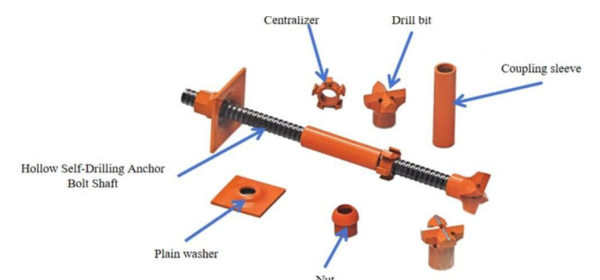
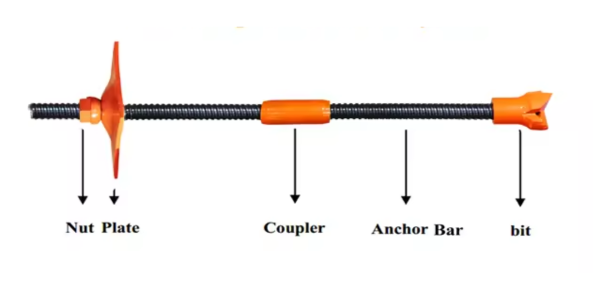
Argentium provides hollow rods suitable for a wide range of ground support and anchoring systems. Hollow Rods can be used in major applications, including:

  • Soil Nailing
  • Rock Bolting
  • Micropiling and Foundation Reinforcement

Description of Hollow Rods

Untitled design (5)

For advanced geotechnical engineering and ground support operations, hollow rods provide an efficient and versatile solution. These rods are widely used in anchoring systems, rock bolting, and foundation reinforcement, where strength, stability, and ease of installation are essential. The hollow Rods feature a hollow core design that allows simultaneous drilling and grouting, improving bond strength between the rod and surrounding ground material while enhancing corrosion protection.

Hollow rods are fully threaded along their length, enabling easy coupling, extension, and compatibility with nuts, plates, and other anchoring accessories. Their manufacture from high strength steel ensures durability and load-bearing capacity even in difficult soil or rock conditions. These hollow rods are commonly integrated into systems such as self drilling anchors, micropiles, and rock bolts, making them suitable for a wide range of underground construction and infrastructure application.

Applications of Hollow Rods

These hollow rods are designed to perform effectively in weak soil, fractured rock, and complex geological conditions where reliable ground support is critical. Hollow rods are widely used across several geotechnical and construction applications, including:

  • Soil nailing and slope stabilization
  • Tunneling and underground excavation
  • Rock bolting and ground reinforcement
  • Micropile foundation systems
  • Retaining walls and excavation support
  • Mining and underground infrastructure

Unique Features of Hollow Rods

Operational Benefits

  • High tensile strength and load-bearing capability
  • Easy installation with threaded compatibility
  • Efficient drilling and grouting capability
  • Reliable performance in difficult ground conditions
  • Flexible application across multiple anchoring systems

Economic Benefits

  • Reduced installation time due to integrated drilling capability
  • Lower maintenance and operational costs
  • Long service life due to corrosion resistance
  • Improved productivity in underground and geotechnical construction projects

Technological Features of Hollow Rods

Effective and Output

Hollow rods are engineered for maximum effectiveness in geotechnical reinforcement systems. Their hollow core design allows grout to flow through the rod, improving bonding with surrounding soil or rock and enhancing overall structural stability.

Quality Standards

Manufactured using precision engineering and high-strength steel, hollow rods conform to strict international quality standards. This ensures reliable performance, durability, and safety in demanding underground construction environments.

Exceptional Reliability

The robust construction and continuous threaded design of hollow rods ensure consistent performance in tunneling, mining, and civil engineering applications. These rods provide dependable anchoring even in unstable or fractured ground conditions.

Your Project’s Potential

Our Megabolt Self Drilling Anchor Bolt (SDA) delivers exceptional strength and efficiency. Designed for easy installation and durability, these anchors are perfect for commercial and DIY projects, providing a secure hold in any material.

Unlock Your Project’s Potential

Ready to strengthen your underground construction and anchoring systems? Discover how hollow rods can enhance efficiency, durability, and safety in your geotechnical projects. Explore our advanced range of hollow rods and ground support solutions designed to meet the demands of modern infrastructure development.

Technological Features of Hollow Rods

Hollow Rods utilise a threaded hollow bar system designed for efficient installation and ground reinforcement. This integrated system allows hollow rods to function as both drilling tools and structural reinforcement elements, improving installation efficiency and overall project performance. The system operates through the following process:

  • The hollow rod is drilled into the ground using a compatible drilling system.
  • Grout is injected through the hollow core to fill the borehole and secure the rod.
  • The threaded surface allows accessories such as couplers, plates, and nuts to be attached easily.
  • The grouting process provides corrosion protection and improves bonding with the surrounding ground material.

Technological Features of Hollow Rods

Hollow rods are available in various sizes and thread types to suit diverse ground support and anchoring applications.

Specification Outer Diameter Inner Diameter Tensile Strength Thread Type Material
HR25 25 mm 14 mm High Tensile R25 High-Strength Steel
HR28 28 mm 16 mm High Tensile R28 High-Strength Steel
HR32 32 mm 19 mm High Tensile R32 High-Strength Steel
HR38 38 mm 22 mm High Tensile R38 High-Strength Steel

Hollow Rods System (Illustration)

This illustration demonstrates how Argentium hollow rods operate within an anchoring or ground reinforcement system, ensuring secure load transfer and long-term structural stability.

System Components 

  1. Hollow Rod Drill Bit
  2. Threaded Hollow Steel Bar 
  3. Coupling Connector for Rod Extension
  4. Hexagonal Nut and Bearing Plate
  5. Grouting through Hollow Core
  6. Final Anchoring Assembly

Conclusion

Argentium hollow rods provide a reliable and efficient solution for modern geotechnical anchoring and ground reinforcement applications. Designed with a threaded hollow core system, these rods enable simultaneous drilling and grouting, ensuring strong  bonding, structural stability, and corrosion protection in challenging ground conditions. They are manufactured from high strength steel, ease of installation, and compatibility with various anchoring accessories make them ideal for soil nailing, rock bolting, tunneling, and micropiling applications. With precision engineering, exceptional durability, and compliance with international quality standards, hollow rods deliver dependable performance, improved productivity, and long-term reliability for underground construction and infrastructure development projects also suitable for a wide range of underground construction, tunneling, mining, slope stabilization, and infrastructure projects.

Untitled design (7)

Frequently Asked Questions

What is a hollow rod used for?

Hollow rods (also called self-drilling anchor rods) are used in ground anchoring, soil nailing, and rock bolting applications. The hollow core allows drilling fluid or grout to pass through the rod during installation, enabling simultaneous drilling and grouting in a single operation.

How does a self-drilling hollow rod work?

A drill bit is attached to the threaded end of the rod, and the rod is rotated and percussed into the ground. Grout is pumped through the hollow center and out through the bit, stabilizing the borehole as drilling progresses, eliminating the need for casing in loose or unstable soil.

What sizes of hollow rods are available?

Common specifications range from smaller diameters like HR25 (25 mm OD) up to larger sizes such as HR38 (38 mm OD), with corresponding inner diameters and thread types (R25 through R38) to match different load and ground conditions.

What is the difference between R-thread and T-thread hollow rods?

R-thread rods are typically used for smaller diameter, lighter-duty applications, while T-thread rods are designed for larger diameter rods used in heavier-duty anchoring and pile applications requiring higher load capacity.

What material are hollow rods made from?

Hollow rods are typically manufactured from high-strength steel, chosen for its tensile strength, durability under torsional and axial loads, and resistance to deformation during drilling.

What is the tensile strength of a hollow rod?

Tensile strength varies by specification, but most hollow rods are rated as “high tensile” to withstand the combined drilling, grouting, and load-bearing stresses encountered in ground anchoring and soil nailing.

Can hollow rods be used in unstable or collapsing soil?

Yes, this is one of their primary advantages. The simultaneous drill-and-grout process stabilizes the borehole walls in real time, making hollow rods ideal for loose, sandy, or collapsing ground where conventional drilling would require casing.

What is the difference between a hollow rod and a solid anchor bar?

A hollow rod has a central channel for grout or flushing fluid and combines drilling and anchoring into one process, while a solid anchor bar requires a separate pre-drilled hole before installation.

What applications use hollow rods?

Hollow rods are commonly used in slope stabilization, soil nailing, micro-piling, foundation underpinning, retaining wall anchoring, and tunnel support systems.

How do I choose the right hollow rod size for my project?

Rod size selection depends on the required load capacity, soil conditions, and project design specifications. Larger diameter rods (such as HR32 or HR38) generally provide higher load-bearing capacity for heavier structural applications.

What is the pilot bit OD and why does it matter?

The pilot bit OD refers to the outer diameter of the drill bit attached to the rod. It must be matched correctly to the rod’s thread type (such as R32, T38, or T45) to ensure proper drilling performance and grout flow.

Are hollow rods reusable?

No, hollow rods are typically a permanent, sacrificial component of the anchoring system. They remain embedded in the ground or structure as part of the finished anchor, bolt, or pile.

What is the typical inner diameter of a hollow rod and why does it matter?

The inner diameter determines the flow rate of grout or drilling fluid through the rod. A larger inner diameter allows for faster grout delivery, which can be important in larger-scale or time-sensitive projects.

Can hollow rods be coupled together for longer lengths?

Yes, most hollow rod systems are designed with threaded couplers that allow individual rod sections to be joined together, enabling installation to greater depths as required by the project.

What standards or certifications should hollow rods meet?

Quality hollow rods should comply with relevant geotechnical and construction industry standards for material strength, dimensional tolerance, and load testing, which buyers should verify with the manufacturer or supplier.

Message Icon - Argentium

We want to hear from you
