As urbanisation accelerates and infrastructure projects grow more complex, the demand for safe and stable underground construction has never been higher. From metro tunnels and deep foundations to mining operations and underground utilities, engineers rely heavily on geotechnical drilling solutions to understand subsurface conditions before construction begins. These solutions are not just technical processes; they are the backbone of safety, efficiency, and long-term structural integrity.
For a brand like Argentium, which specialises in advanced drilling and anchoring systems, geotechnical drilling solutions play a crucial role in ensuring that underground projects are executed with precision and reliability. This blog explores how modern drilling practices, technologies, and engineered systems are transforming underground solutions into safer environments.
Before any underground construction begins, engineers must answer a fundamental question: what lies beneath the surface? Geotechnical drilling solutions provide this answer by extracting soil, rock, and groundwater data from below ground level. These investigations help engineers assess soil strength, rock stability, groundwater levels, and potential hazards. Without such insights, construction projects risk structural instability, unexpected failures, and costly delays. In fact, geotechnical drilling forms the foundation of infrastructure planning, guiding decisions related to design, materials, and construction methods.
By using reliable geotechnical drilling solutions, engineers can design tunnels, foundations, and underground structures that are tailored to actual ground conditions rather than assumptions.
Accuracy is the cornerstone of safe underground construction. Poor-quality data or improper drilling techniques can lead to incorrect interpretations of subsurface conditions, resulting in unsafe designs. Modern geotechnical drilling solutions focus on precision through advanced tools and methodologies. Techniques such as standard penetration testing (SPT), core drilling, and real-time monitoring systems ensure that the data collected is both reliable and actionable.
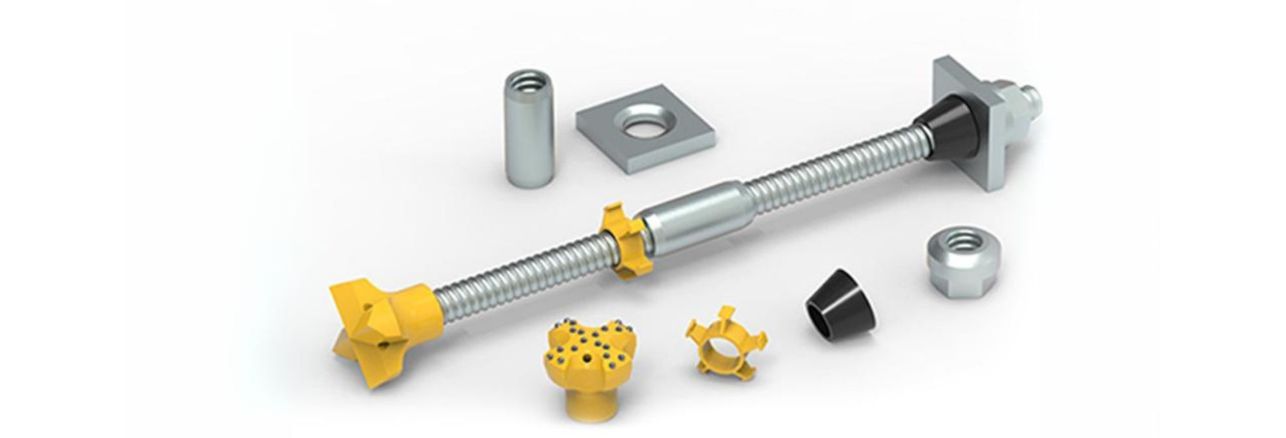
For example, technologies like Measurement While Drilling (MWD) allow engineers to gather real-time data on soil layers, rock formations, and anomalies during the drilling process. This reduces uncertainty and enables immediate adjustments, improving both safety and efficiency. When paired with Argentium’s engineered drilling components, such as threaded rods and anchoring systems, these accurate insights translate into robust structural support systems that enhance underground safety.
Different ground conditions require different drilling approaches. Modern geotechnical drilling solutions incorporate a variety of techniques, each suited to specific geological environments.
Auger drilling is widely used for soil sampling in cohesive soils. It minimises environmental disturbance while providing reliable data, making it ideal for urban projects.
These methods are effective for deeper boreholes and unconsolidated formations. They help maintain borehole stability while extracting samples.
Sonic drilling uses vibration to penetrate the ground, reducing soil disturbance and improving sample quality.
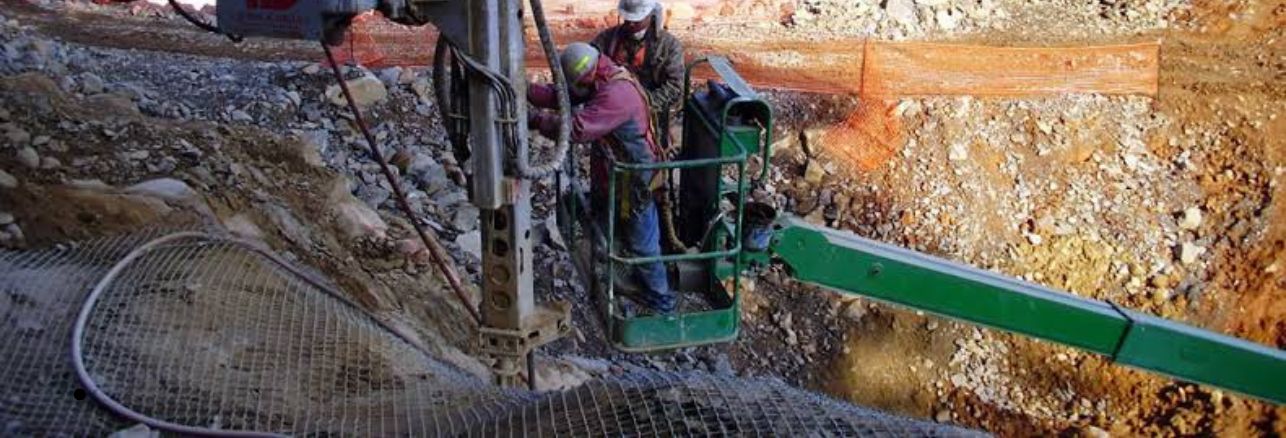
DTH drilling is highly effective in hard rock environments. It provides straight boreholes and high penetration rates, ensuring accurate geological interpretation.
By selecting the appropriate technique, geotechnical drilling solutions ensure that underground structures are built on reliable data, reducing the risk of collapse or failure.
Drilling alone is not enough to guarantee safety. Once subsurface conditions are understood, appropriate support systems must be installed to stabilise the ground. This is where Argentium’s solutions, such as self drilling anchor and threaded rods, play a vital role. These systems integrate drilling, grouting, and anchoring into a single process, making them highly effective in challenging ground conditions.
In unstable soils or fractured rock formations, traditional drilling methods may fail due to borehole collapse. Integrated anchoring systems address this issue by providing immediate support during drilling, ensuring that the surrounding ground remains stable. Modern geotechnical drilling solutions combined with advanced anchoring technologies create a seamless workflow that enhances both safety and efficiency in underground construction.
One of the most significant advancements in geotechnical drilling solutions is the integration of digital technologies. Real-time monitoring systems, sensors, and data analytics are transforming how engineers approach underground projects. These technologies provide continuous feedback on drilling parameters such as torque, pressure, and penetration rate. This allows engineers to detect anomalies early and make informed decisions on-site.
For example, if a sudden change in soil composition is detected, drilling parameters can be adjusted immediately to prevent equipment damage or structural instability. Smart drilling systems not only improve safety but also reduce project timelines and costs by minimising errors and rework.
Sustainable construction practices are becoming increasingly important, and geotechnical drilling solutions are evolving to meet these demands. Modern drilling techniques aim to minimise environmental disruption by reducing waste, controlling groundwater contamination, and preserving surrounding ecosystems. Environmental impact assessments are often conducted alongside drilling operations to ensure compliance with regulations and sustainability goals.
Techniques such as clean drilling and low-impact auger methods help maintain ecological balance while still providing accurate subsurface data. Argentium offers efficient and environmentally responsible drilling and anchoring systems essential for supporting sustainable infrastructure development.
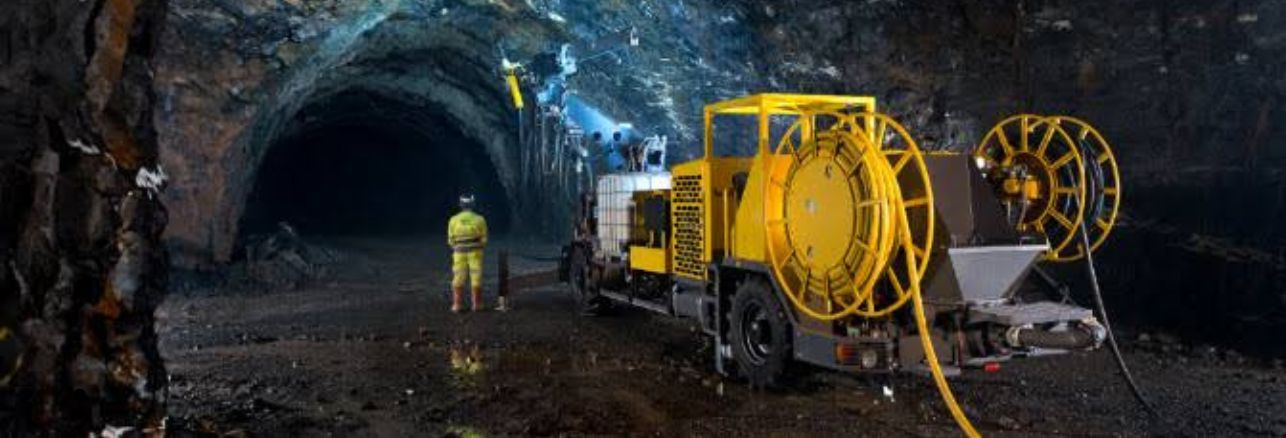
Underground construction sites are inherently hazardous, with risks such as falling debris, equipment accidents, and exposure to harmful materials. Geotechnical drilling solutions play a key role in mitigating these risks. Proper planning and execution of drilling operations reduces uncertainties, allowing workers to operate in safer conditions. Additionally, modern drilling equipment is designed with safety features such as automated controls and protective systems.
The use of personal protective equipment (PPE) and adherence to safety protocols further enhance worker safety during drilling operations. By reducing the likelihood of unexpected ground behaviour, geotechnical drilling solutions contribute to a safer working environment for all personnel involved.
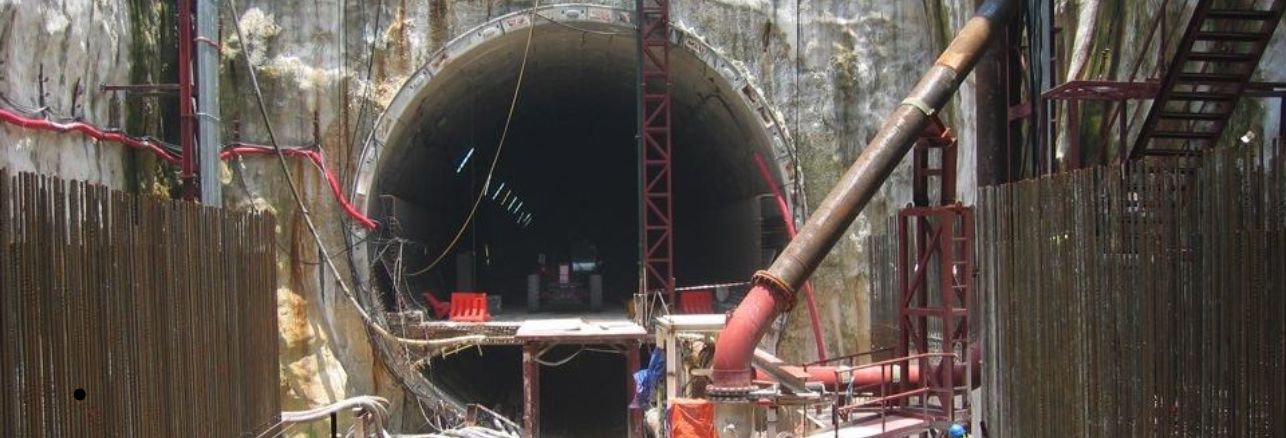
Urban environments present unique challenges for underground construction, including limited space, existing structures, and complex geological conditions. Geotechnical drilling solutions enable engineers to navigate these challenges by providing precise data and adaptable techniques. For example, DTH drilling and compact rigs are particularly useful in densely populated areas where space is limited.
These solutions ensure that underground projects such as metro systems, basements, and utility tunnels can be constructed safely without compromising surrounding structures. Argentium’s advanced drilling and anchoring systems are especially valuable in such scenarios, offering reliable performance in constrained and demanding environments.
Investing in high-quality geotechnical drilling solutions may seem costly upfront, but it significantly reduces long-term risks and expenses. Accurate subsurface data prevents design errors, minimises construction delays, and reduces the likelihood of structural failures. This leads to more predictable project outcomes and better resource management.
In contrast, inadequate drilling practices can result in costly rework, legal liabilities, and safety hazards. By prioritising reliable geotechnical drilling solutions, project stakeholders can ensure both financial and operational efficiency.
The future of geotechnical drilling solutions lies in automation, robotics, and data-driven decision-making. Innovations such as autonomous drilling systems and AI-powered analytics are expected to further enhance accuracy and efficiency.
As underground construction continues to expand, the need for advanced drilling and anchoring systems will only grow. Companies like Argentium are well-positioned to lead this evolution by offering cutting-edge solutions that address modern engineering challenges. From improving data accuracy to enhancing safety and sustainability, geotechnical drilling solutions will remain a critical component of underground infrastructure development.
Geotechnical drilling solutions are shaping the future of underground construction by providing the insights and technologies needed to build safely and efficiently. They enable engineers to understand complex subsurface conditions, select appropriate construction methods, and implement reliable support systems.
For Argentium, these solutions are not just about drilling; they are about delivering safety, precision, and performance in every project. By integrating advanced drilling techniques with robust anchoring systems, Argentium is helping create underground spaces that are not only functional but also secure and sustainable. As infrastructure demands continue to rise, the role of geotechnical drilling solutions in ensuring safer underground environments will become even more critical.
Geotechnical drilling solutions involve techniques and equipment used to investigate subsurface soil and rock conditions for safe construction planning.
They provide accurate ground data, helping engineers design stable structures and prevent failures in tunnels, foundations, and mining operations.
Common techniques include auger drilling, rotary drilling, sonic drilling, and DTH drilling, each suited to specific ground conditions.
They reduce uncertainties by providing precise subsurface data, enabling better design decisions and minimising risks during construction.
Argentium offers advanced drilling and anchoring systems that enhance stability, efficiency, and safety in challenging underground environments.
Temporary and Permanent Ground Anchor Slope Failure Prevention Geotechnical Drilling Solutions Tunnel Support Installation Casing Advancement Method Ground Anchoring Solutions Types Of Couplings Self Drilling Technology Trends Sustainable Rock Practices Durable Drilling Equipment Rock Bolts Stabilize Rock Slope Stabilization Mining Safety Innovations Geological Risk Management Mining Tunnel Safety Modern Underground Solutions Advanced Mining Safety Self Drilling Anchor System Supplier Ground Reinforcement Systems Advanced Drilling Solutions Mining Safety Innovations Types of Support Systems Rock Stabilization Techniques Geotechnical Engineering Mining Safety Solutions Underground Tunnel Tunneling Method Slope Stabilization Methods Uses for Threaded Rod Slope Protection Techniques What is Slope Failure Different Types of Slope Failure Applications of Soil Nailing Threaded Rod Sizes Chart Applications of Soil Nailing Casing Drilling Systems Threaded Rod Sizes Types of Rock Bolts Leading Supplier of Self Drilling Anchors Expandable Rock Bolts vs Split Set Rock Bolts Types of Rock Bolts Uses of Self Drilling Anchors Supplier of Self Drilling Anchors in India Mastering Forepoling Techniques Troubleshooting Installation Metro Tunneling Retaining Walls Tunnel Support System Tungsten Carbide Types of Tunnel Rock Bolts Tunnel Construction Tunnel Support Equipments Mastering Rock Drilling Pipe Umbrella in Tunnel Pipe Roof Installation
WhatsApp us