Tunnel construction is often celebrated for its scale, precision engineering, and cutting-edge machinery. Massive tunnel boring machines, complex geological surveys, and high-profile infrastructure outcomes tend to dominate the conversation. Yet, beneath all this attention lies a critical but often overlooked component: ground support equipment.
Despite being fundamental to safety, stability, and long-term performance, ground support equipment rarely receives the recognition it deserves. In reality, it is the silent backbone of every successful underground project. Without it, even the most advanced tunnelling operations would be exposed to severe risks, delays, and failures. This blog explores why ground support equipment is the most underrated element in tunnel construction and why companies like Argentium emphasise its importance in modern geotechnical engineering.
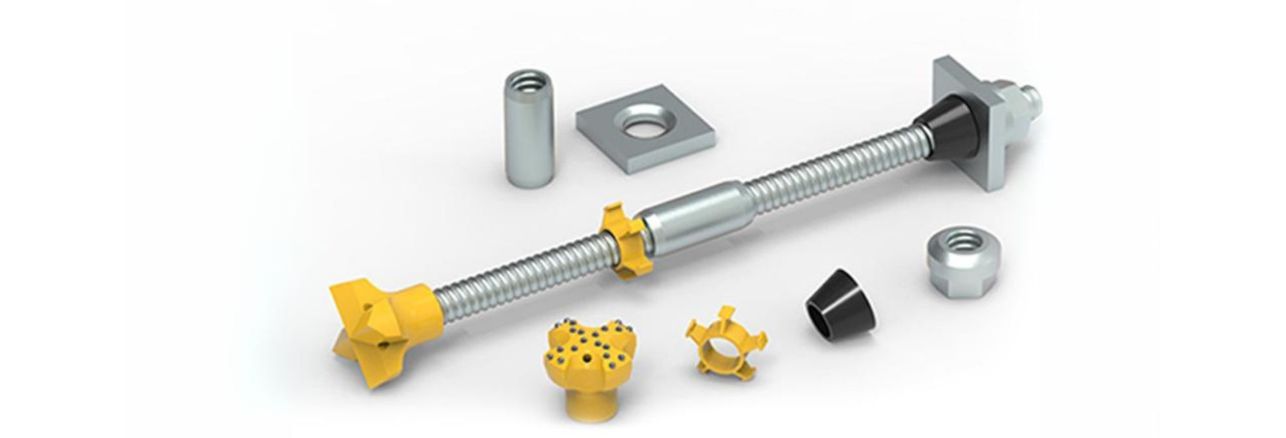
At its core, ground support equipment refers to the systems, tools, and materials used to stabilize excavated ground during and after tunnelling. This includes rock bolts, anchors, shotcrete systems, steel ribs, and grouting solutions, all of which work together to maintain structural integrity.
When a tunnel is excavated, the natural stress equilibrium of the ground is disturbed. This redistribution of stress creates instability that must be immediately controlled. According to international tunnelling guidelines, support systems are essential to provide confinement, reinforcement, and long-term structural resistance in underground openings.
This is where ground support equipment becomes indispensable.
Unlike tunnel boring machines or large-scale excavation equipment, ground support equipment does not attract visual attention. It is installed incrementally and often concealed beneath linings or rock surfaces.
However, its impact is profound. It ensures that freshly excavated sections remain stable until permanent structures are installed. Without ground support, excavation would be unsafe and unsustainable.
In many projects, excavation is perceived as the primary activity, while support is treated as a follow-up task. This mindset undermines the critical role of ground support equipment.
In reality, excavation and support must go hand in hand. Modern tunnelling philosophies emphasise the concept of “support as you go,” where ground support equipment is installed immediately after excavation to prevent deformation and collapse.
Ground support equipment often goes unnoticed because it performs its function silently and effectively. It is only when failures occur, such as rock falls, water ingress, or tunnel deformation, that its importance becomes evident.
Failures in support systems can lead to costly repairs, project delays, and safety hazards. Properly designed ground support equipment minimises these risks and ensures operational continuity.
Safety is the most important reason for using ground support equipment. Underground environments are inherently unstable, with risks of rock falls, collapses, and sudden ground movements.
Support systems such as rock bolts and shotcrete create a protective envelope that stabilises the tunnel and safeguards workers.
Ground support equipment plays a key role in maintaining the structural integrity of a tunnel. It helps resist ground pressures and prevents deformation.
Support systems can:
Without ground support equipment, tunnels would be highly vulnerable to collapse.
Every tunnel project encounters unpredictable geological risk management. Even with detailed site investigations, uncertainties remain.
Ground support equipment allows engineers to adapt to these conditions in real time. For example:
This adaptability makes ground support equipment essential in managing risk.
Water is one of the biggest challenges in underground construction. Uncontrolled groundwater can weaken rock, increase pressure, and cause instability. Ground support equipment, such as grouting systems and impermeability solutions help control water ingress, ensuring a safer and more stable environment.
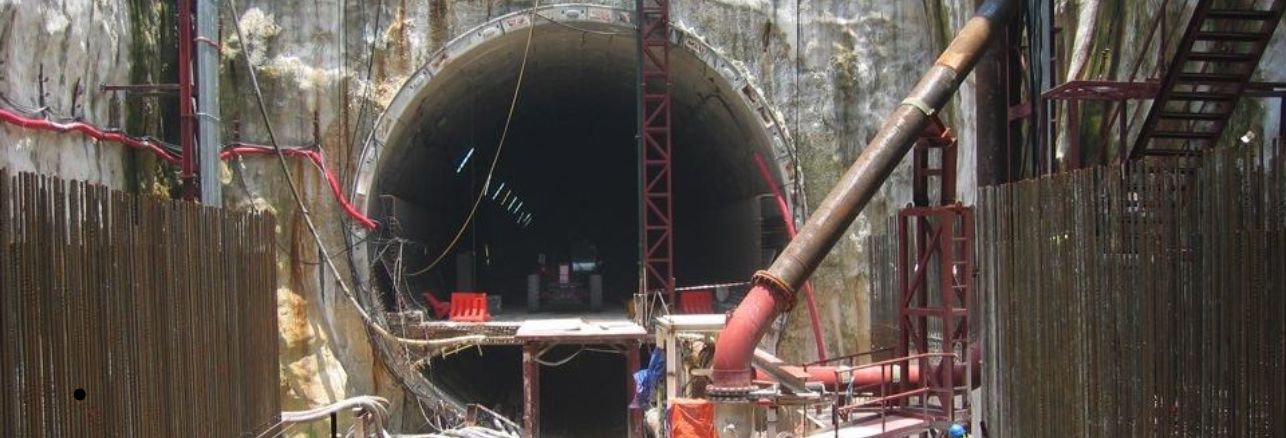
Ground support equipment is not just about temporary stability; it also contributes to long-term durability. Permanent support systems, including tunnel linings and reinforced structures, ensure that tunnels can withstand environmental and operational stresses over decades.
Argentium specialises in providing advanced ground support equipment tailored to diverse underground applications. Some of the most critical types include:
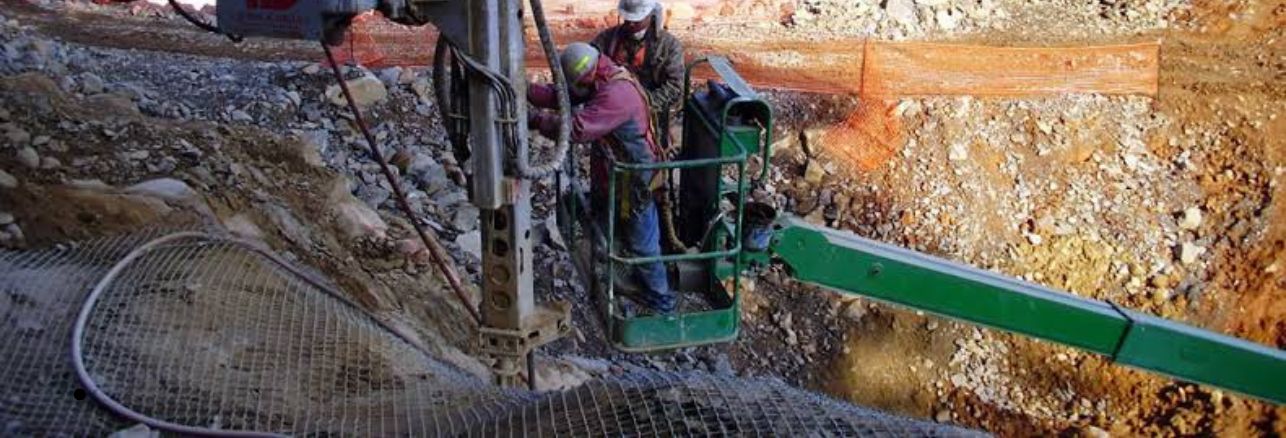
These are used to reinforce rock masses and prevent loosening. They are one of the most widely used forms of ground support equipment.
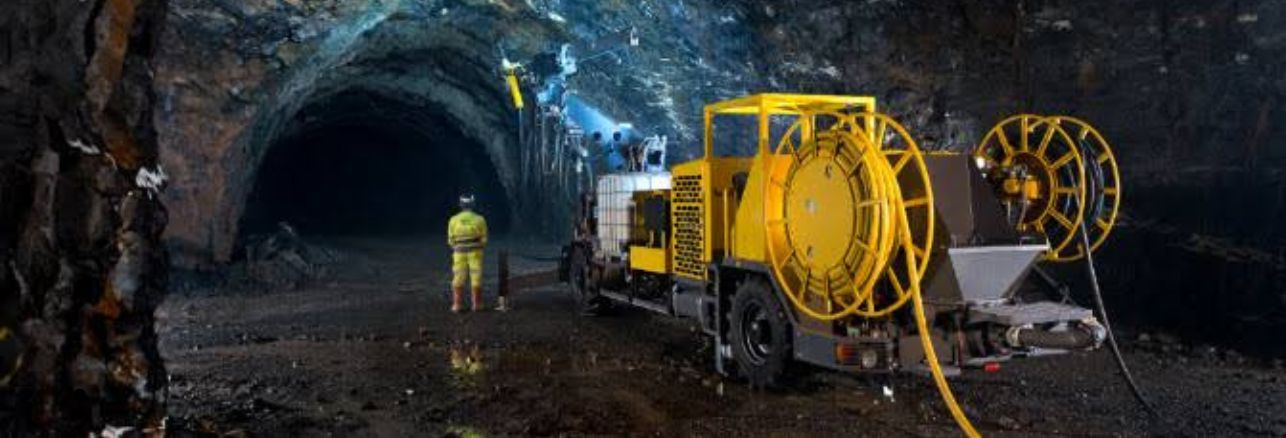
Sprayed concrete creates an immediate support layer that stabilises tunnel surfaces and prevents rockfall.
These provide structural frameworks that distribute loads and support weak ground conditions.
Grouting improves ground cohesion and reduces water ingress, making it an essential component of ground support equipment.
Permanent linings ensure long-term durability and structural stability.
Each of these components plays a unique role, but together they form an integrated system that defines the success of a tunnel project.
One of the biggest misconceptions is that ground support equipment is a cost centre rather than a value driver.
In reality, it has a direct impact on project economics:
Given that equipment and installations form a significant portion of tunnel project budgets, investing in the right ground support equipment is a strategic decision.
Today’s tunnel projects are becoming more complex, requiring seamless integration between excavation and support systems.
Ground support equipment is evolving to align with:
Modern projects rely on continuous monitoring to detect potential failures early and adjust support systems accordingly. This integration further highlights the importance of ground support equipment in ensuring project success.
Selecting the right ground support equipment is not a one-size-fits-all decision. It depends on several factors:
A poorly chosen support system can lead to instability, delays, and increased costs. On the other hand, well-designed ground support equipment ensures efficiency, safety, and durability.
This is where expertise and reliable suppliers like Argentium make a significant difference.
Argentium focuses on delivering high-performance ground support equipment that meets international standards and addresses real-world tunnelling challenges.
Our solutions are designed to:
By prioritising quality and innovation, Argentium ensures that ground support equipment is not just an afterthought but a central component of project success.
As infrastructure demands grow, tunnels are becoming longer, deeper, and more complex. This evolution places even greater importance on ground support equipment.
Future trends include:
Ground support equipment will continue to evolve, playing an even more critical role in shaping the future of underground construction.
Ground support equipment may not always be visible, but it is undeniably vital. It ensures safety, stability, and longevity in tunnel construction, three factors that define the success of any underground project. Its underrated status stems from its quiet, behind-the-scenes operation. Yet, without it, tunnels would be unsafe, inefficient, and unsustainable.
As the tunnelling industry advances, recognising the importance of ground support equipment is no longer optional; it is essential. Argentium is leading the way by providing reliable, high-quality solutions that transform underground construction. In the end, ground support equipment is not just a supporting element; it is the foundation upon which every successful tunnel is built.

WhatsApp us