Underground construction is entering a transformative era. As infrastructure demands grow across transportation, mining, hydropower, and urban utilities, the expectations from tunnelling projects have expanded beyond just excavation and structural stability. Today, projects demand precision, safety, sustainability, and long-term performance. This is where smart tunnel support systems are redefining the future of underground construction.
Traditional tunnel support methods, while effective, are increasingly being complemented and enhanced by intelligent technologies. From real-time monitoring to predictive analytics, smart tunnel support systems are enabling engineers to build safer, faster, and more efficient underground structures.
This blog explores why smart tunnel support systems are becoming indispensable and how companies like Argentium are aligned with this technological shift.
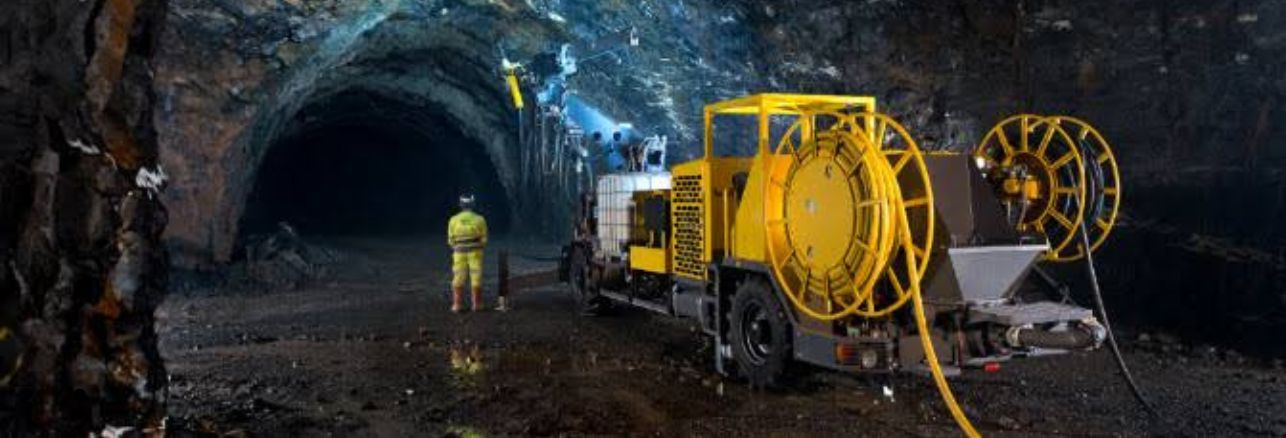
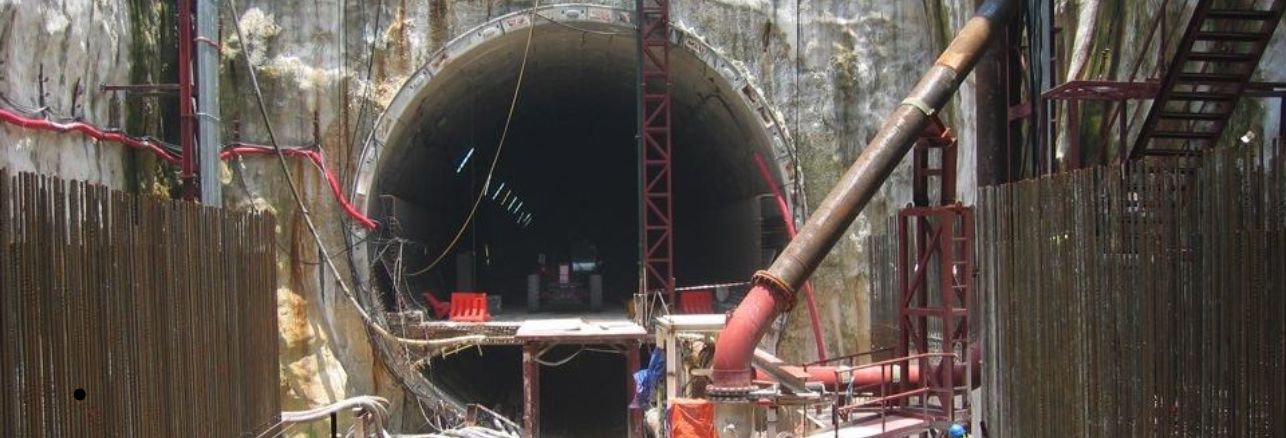
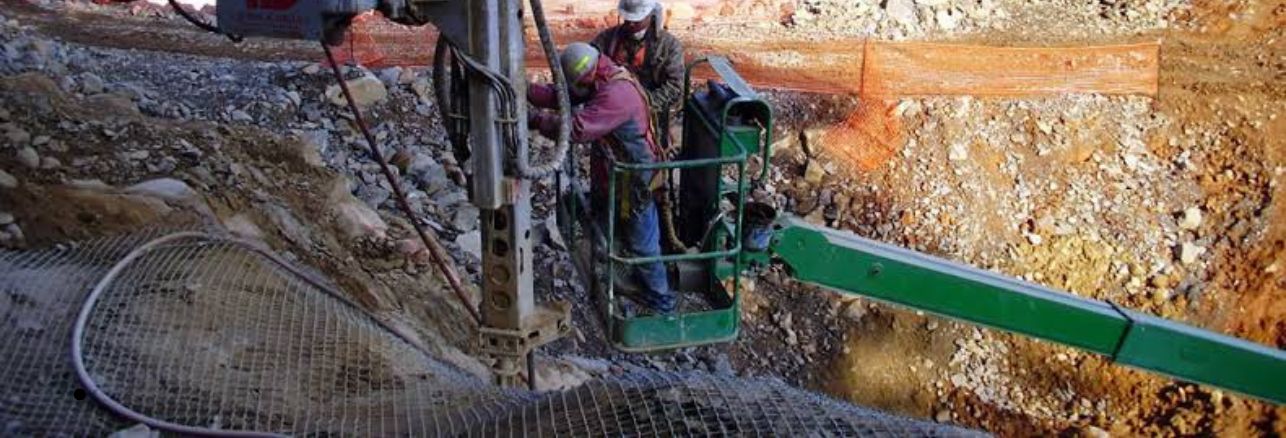
Tunnel support has always been central to underground construction. It ensures stability, prevents collapse, and distributes loads from surrounding rock and soil. Conventional systems such as rock bolts, anchors, shotcrete, and steel arches remain foundational elements.
However, these systems were traditionally reactive, installed based on design assumptions and adjusted only after visible issues arose.
With increasing project complexity, this approach is no longer sufficient. Geological unpredictability, deeper tunnels, and urban constraints require smarter, data-driven solutions. This has led to the rise of smart tunnel support systems, which integrate advanced technologies into conventional support mechanisms.
Smart tunnel support systems refer to integrated support systems that combine physical support elements with digital technologies such as sensors, IoT, AI, and data analytics.
These systems go beyond providing structural stability; they continuously monitor, analyse, and optimise tunnel performance throughout its lifecycle.
Key components include:
The integration of these technologies allows for proactive decision-making, significantly improving safety and efficiency.
Safety is the most critical concern in underground tunneling. Traditional inspection methods often fail to detect early warning signs of failure.
Smart tunnel support systems use embedded sensors to monitor:
These systems provide real-time alerts, allowing engineers to act before minor issues escalate into major failures.
This shift from reactive to proactive safety management is one of the biggest advantages of smart tunnel support systems.
One of the most powerful features of smart tunnel support systems is predictive maintenance.
Instead of relying on scheduled inspections, these systems analyse continuous data to predict when a component is likely to fail. This ensures:
Research highlights that real-time monitoring combined with predictive maintenance ensures sustained tunnel performance and resilience.
For infrastructure projects where downtime can be extremely costly, this capability is a game-changer.
Time is a critical factor in tunnel construction. Delays can lead to significant financial losses and logistical challenges.
Smart tunnel support systems enhance efficiency by:
Advanced systems like smart tunnelling platforms use IoT and AI to track construction data, worker positions, and machine performance, improving productivity and coordination.
This level of integration ensures faster project completion without compromising safety.
Underground construction generates vast amounts of data, from geological surveys to monitoring instrumentation.
Smart tunnel support systems convert this data into actionable insights by:
This reduces uncertainty and enhances engineering accuracy, especially in complex geological conditions.
Digital twins are virtual replicas of physical tunnel systems that simulate real-world conditions.
When combined with tunnel support systems, digital twins allow engineers to: Visualise tunnel behaviour in real time.
This integration significantly improves planning, execution, and maintenance strategies.
Sustainability is becoming a key focus in infrastructure development.
Smart tunnel support systems contribute to sustainable construction by:
Utility tunnel systems, for example, reduce surface disruptions like traffic congestion, noise, and pollution by enabling underground infrastructure management.
Every tunnelling project is unique, with varying ground conditions and challenges.
Smart tunnel support systems adapt dynamically by:
This adaptability is especially crucial in urban tunnelling, where unpredictability is high.
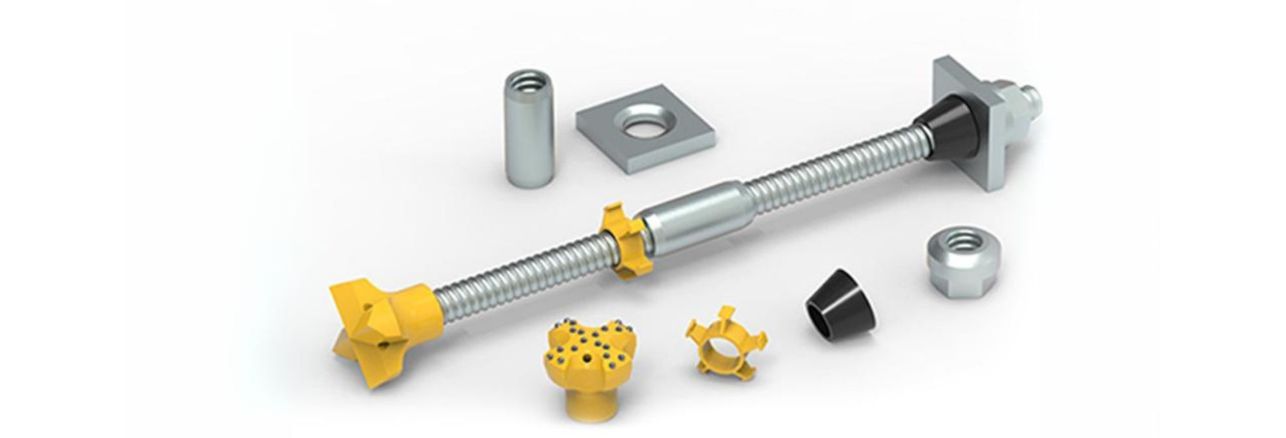
Argentium is at the forefront of delivering advanced tunnel support equipment that aligns with modern construction needs.
Its offerings include:
These components form the foundation upon which smart tunnel support systems are built. By integrating these physical systems with advanced monitoring and control technologies, Argentium enables smarter and more reliable underground construction.
Despite their advantages, the adoption of smart tunnel support systems comes with challenges:
The integration of sensors, software, and analytics platforms requires high upfront costs.
Handling large volumes of data requires robust systems and skilled professionals.
Retrofitting older tunnels with smart technologies can be complex.
However, as technology becomes more accessible, these challenges are gradually being overcome.
The future of underground construction will be shaped by continuous innovation in smart technologies.
Emerging trends include:
As these technologies evolve, smart tunnel support systems will become more intelligent, efficient, and indispensable.
The shift toward smart tunnel support systems is not just a technological upgrade; it is a fundamental transformation in how underground construction is approached. By integrating real-time monitoring, predictive analytics, and intelligent control, these systems address the limitations of traditional support methods. They enhance safety, improve efficiency, and ensure long-term structural performance.
For companies like Argentium, the focus is no longer just on providing robust support equipment but on enabling smarter, data-driven construction solutions. As infrastructure demands continue to grow, smart tunnel support systems will play a pivotal role in shaping the future of underground construction, making projects safer, faster, and more sustainable.

WhatsApp us